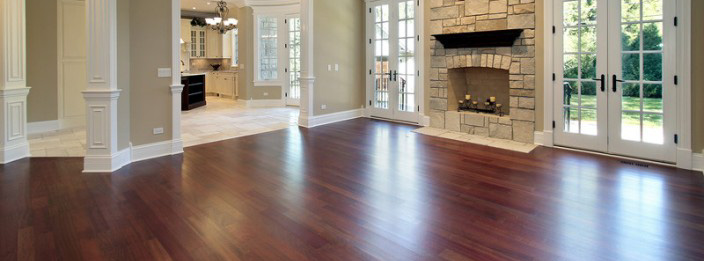

National Floors provides professional hardwood floor refinishing, sanding, staining, repair and restoration in Palo Alto, California. Palo Alto presents an unusually broad range of hardwood flooring conditions, from older established homes with original wood floors to mid-century residences and remodeled properties with newer solid or engineered hardwood.
For homeowners who want to preserve the quality and character already present in a home, replacement should not automatically be the first recommendation. National Floors evaluates the existing flooring, previous sanding, repairs and overall condition to determine what can realistically be restored.
Why Palo Alto Homeowners Choose National Floors
✓ Very Competitive Pricing | ✓ A 5-Star Reputation | ✓ C-15 Licensed, Bonded & Insured
✓ A No Deposit Policy | ✓ A Real Person Answers the Phone | ✓ 2 Year Warranty | ✓ Financing Available
Hardwood Floor Refinishing in Palo Alto
 Hardwood refinishing removes a worn coating and a controlled amount of wood from the surface. When enough usable material remains, refinishing can eliminate years of surface wear and prepare the hardwood for a new protective finish or stain color.
- Professional sanding removes old coatings, surface scratches, discoloration and traffic wear.
- Hardwood floor repairs can address damaged or missing boards before the larger floor is refinished.
- Custom staining allows homeowners to retain a natural appearance or substantially change the color.
- Professional-grade finishes provide a new protective surface in different sheen levels.
Learn more about our hardwood floor refinishing and restoration services.

Palo Alto Homes Can Have Very Different Hardwood Floors
An older Palo Alto home may contain original solid hardwood that has already been refinished several times. A mid-century residence may still have flooring connected to the character of the original house. A remodeled property may contain newer hardwood, engineered flooring, repairs or sections installed during different renovations.
These floors should not automatically be treated the same way. Before sanding, we consider the flooring construction, previous refinishing, remaining usable material, repairs and any signs of movement or moisture-related problems.
The age of a floor alone does not determine whether it can be refinished. An older floor that has been carefully maintained may have considerably more usable material than a newer floor that has already been aggressively sanded.
Preserving Hardwood in Palo Alto's Mid-Century and Established Homes
Palo Alto has an important collection of mid-century residential architecture, including Eichler neighborhoods such as Fairmeadow, Greenmeadow, Charleston Meadows, Green Gables and Triple El, along with older established neighborhoods containing traditional hardwood floors.
When updating these homes, the flooring should work with the architecture rather than simply follow a current color trend. Natural wood tones can be a beautiful choice, while other interiors benefit from a completely different stain color.
The first question is technical rather than cosmetic: what type of hardwood is present, what condition is it in, and what can safely be done to it?
Preserving Existing Hardwood During a Remodel
A remodeling project can dramatically change a Palo Alto home without requiring the removal of good hardwood flooring.
Removing walls, altering kitchens, changing closets, widening openings or eliminating old built-ins can expose areas where hardwood is missing or where flooring from different periods meets.
When the existing floor remains suitable for restoration, compatible material can sometimes be added before refinishing. Species, board width, thickness, milling, grain and installation direction all influence how well the new material integrates with the original flooring.
After repairs or additions are completed, sanding and refinishing connected areas together can help create a much more unified appearance.
Learn more about our hardwood floor repair services.
Repairing Damage Without Replacing a Good Hardwood Floor
Water damage, pet stains, plumbing work, damaged boards, old floor vents and remodeling do not necessarily require replacement of an entire hardwood floor.
If damage is localized and the surrounding flooring remains structurally sound, individual boards or sections can often be repaired before the larger floor is refinished.
Deep stains require particular care. Excessively sanding an entire floor just to remove one deeply penetrated stain can sacrifice more good wood than necessary. In some situations, replacing the affected boards is the better restoration decision.
That is why we prefer to evaluate the actual floor before recommending replacement based solely on its age or appearance.
Changing the Color Without Replacing the Floor
Interior renovations often create a desire for a different floor color. If the existing hardwood remains a good refinishing candidate, changing its appearance does not necessarily require replacing it.
Oak provides considerable flexibility and accepts a broad range of stain colors. Other species behave differently, and the natural color of the wood, grain, sunlight exposure, previous repairs and replacement boards can all influence the finished appearance.
We prefer to evaluate stain choices on the actual flooring rather than relying solely on photographs or small generic samples.
Learn more about our hardwood floor staining and color-change services.
Experience Matters When the Floor Deserves to Be Preserved
Professional hardwood restoration is not simply a matter of operating sanding equipment. It requires knowing what type of floor is present, how much work it can safely support, what should be repaired and what is worth preserving.
National Floors is a California C-15 licensed flooring contractor, license #903508. Hardwood sanding, staining, refinishing, restoration and repair make up the majority of our work, and our crews complete more than 100 hardwood floor refinishing projects in a typical year.
We use professional sanding equipment and professional-grade finish systems. National Floors requires no labor deposit, financing is available, and our workmanship is backed by a 2 Year Warranty. And when you call National Floors, a real person answers the phone.
Free Hardwood Floor Refinishing Estimates in Palo Alto
If your Palo Alto hardwood floors are scratched, worn, damaged, outdated or being incorporated into a remodeling project, National Floors provides free in-home estimates.
We can identify the flooring, evaluate previous sanding and repairs, determine whether refinishing is appropriate and discuss natural or stained finish options before you decide how to proceed.
Very Competitive Pricing | 5-Star Reputation | C-15 Licensed, Bonded & Insured | A No Deposit Policy | A Real Person Answers the Phone | 2 Year Warranty | Financing Available
Call National Floors at (650) 860-5014 or schedule your Palo Alto hardwood floor consultation.
Palo Alto Areas We Serve
Old Palo Alto, Crescent Park, Professorville, Midtown, Greenmeadow, Fairmeadow, Charleston Meadows, Green Gables, Barron Park and surrounding Palo Alto neighborhoods.
Palo Alto ZIP codes: 94301, 94303, 94306
