
Hardwood Floor Species Identification
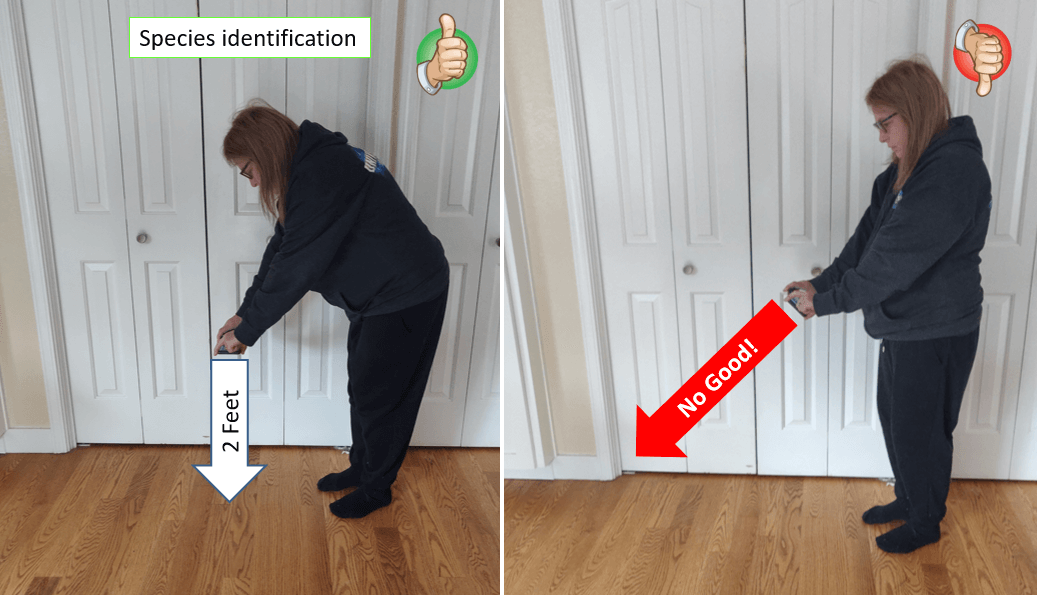
STEP 1: This is very important. Before discussing sanding, refinishing or stain colors, we first need to identify the hardwood species. This is essential because different species respond differently to sanding and staining, and some hardwoods accept stain more readily than others. Knowing what type of wood you have allows us to determine which refinishing and color options are appropriate for your floor.
The photo above shows the best way to help us identify your hardwood. Stand approximately two feet above the floor and take a clear, close photograph showing the grain, color and several individual boards. Avoid taking the picture from a standing position or from across the room—the additional distance makes identifying the species much more difficult.
Text your photo to 1(408) 309-1880. Once we've identified the hardwood species, we can have a much more productive conversation about refinishing and the stain colors that are realistic for your particular floor.
Changing the color of a hardwood floor can completely change the appearance of a home. But staining hardwood is considerably more involved than simply choosing a color and applying it to the wood.
National Floors provides professional hardwood floor staining throughout the San Francisco Bay Area. As a California C-15 licensed flooring contractor, we've stained hardwood floors in everything from natural and traditional brown tones to contemporary greys, whites and very dark colors.
The purpose of this page is to take some of the mystery out of hardwood floor staining. You don't need to know how to stain a floor yourself, but understanding the basic process, the importance of the wood species and what can go wrong makes choosing the right contractor—and the right color—considerably easier.
Natural Hardwood or Stained Hardwood?
When a hardwood floor is refinished, homeowners essentially have two color choices: keep the natural color of the wood or change it with stain.
Natural Hardwood Floors
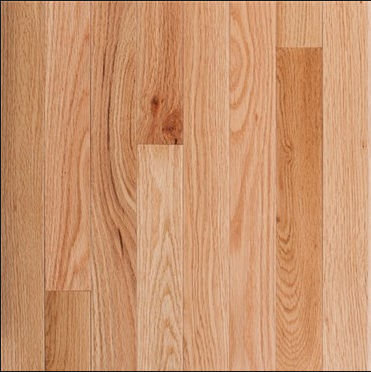 A natural floor has no added stain color. The existing finish and damaged surface are sanded away, revealing fresh hardwood underneath. A professional finish system is then applied to protect the newly prepared wood.
Every hardwood species has its own natural color and character. Red oak, white oak, maple, walnut and other hardwoods will all look different when finished naturally.
Natural is often an excellent choice when the homeowner likes the character of the existing wood and simply wants the floor restored.
Stained Hardwood Floors
Staining allows the appearance of the hardwood to be changed before the protective finish is applied.
Depending on the species, hardwood can be stained in a tremendous range of colors. A traditional golden floor can often become brown, grey, white or considerably darker without replacing a single board.
This ability to completely change the appearance of an existing floor is one of the great advantages of genuine hardwood.

The Three Stages of Hardwood Floor Refinishing
To understand staining, it helps to understand where it fits into the overall refinishing process.
Hardwood floor refinishing consists of three major stages:
- Sanding
- Staining
- Coating
Each stage depends on the quality of the work performed before it. This is one of the reasons experience is so important when staining hardwood floors.
Find out more about our 2 Year Warranty
Sanding Is the Foundation
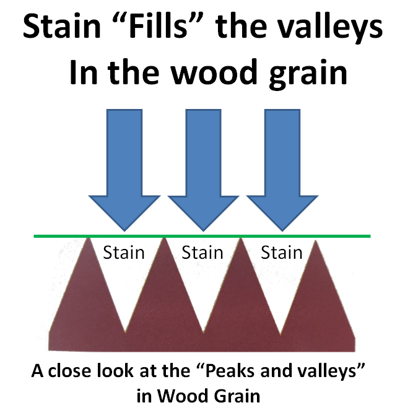 The quality of a stained hardwood floor begins with the sanding.
Before stain is applied, the old finish and damaged surface must be removed and the hardwood prepared consistently. The sanding sequence directly affects how the floor accepts stain.
If the sanding is incorrect or inconsistent, the problem may become considerably more noticeable after stain is applied. What wasn't obvious on bare wood can suddenly appear as differences in color across the floor.
Once that happens, there isn't a simple product that can be applied over the floor to make the problem disappear. Correcting a significant sanding problem generally means starting the process again.
Staining Is an Unforgiving Stage
Once the hardwood has been properly prepared, stain changes the color of the exposed wood.
This stage requires both skill and judgment. Different boards can absorb color differently, wood species behave differently, and the quality of the sanding underneath directly influences the final appearance.
If something goes seriously wrong during either the sanding or staining stage, correcting the problem can require sanding the floor again and starting over.
That's one of the realities homeowners don't always see when watching hardwood floors being refinished. A successful staining project represents a tremendous amount of work before the protective finish is ever applied.
Coating Protects the Finished Floor
Once the desired color has been achieved, the hardwood is protected with a professional finish system.
Coating problems are somewhat different from sanding or staining problems. Depending on the circumstances, a finish problem can sometimes be corrected without returning all the way to bare wood. That isn't always possible, but corrective options may exist that aren't available when the underlying sanding or staining has failed.
Sanding, staining and coating are separate stages, but the quality of the finished floor depends on all three working together.
Why Wood Species Matters When Choosing a Stain
Stain doesn't cover hardwood the way paint covers a wall. The natural wood remains visible and becomes part of the final color.
For that reason, the same stain can look noticeably different when applied to different hardwood species.
Red Oak and White Oak
Red oak and white oak are both excellent candidates for staining and provide homeowners with a broad range of color possibilities.
However, they don't start with the same natural color. Red oak contains warmer red and pink undertones, while white oak generally has more neutral brown and tan characteristics.
The same stain applied to both species will therefore not necessarily produce the same finished color.
Can Maple Hardwood Floors Be Stained?
Yes. Maple hardwood floors can be stained successfully and do not automatically require a special preparation process.
Maple can, however, occasionally absorb stain less uniformly than oak and produce some blotchiness. We discuss that possibility with homeowners beforehand so they understand the natural characteristics of the wood before choosing a stained finish.
If greater color uniformity is particularly important, professional techniques are available that can help produce a more consistent appearance.
Other Hardwood Species
Walnut, Brazilian hardwoods and other species each have their own natural colors and staining characteristics.
Rather than assuming a color will work because it looked good on another floor, we first identify the hardwood and determine what is realistic for that particular species.
Natural Color Variation Is Part of a Real Hardwood Floor
One of the characteristics of genuine hardwood is natural variation from one board to another.
Even within a single species such as red oak, individual boards can contain a surprising range of natural tones. One board may begin considerably lighter or darker than the board beside it.
Stain doesn't eliminate those differences. A lighter board may remain somewhat lighter and a naturally darker board may remain darker after both receive the same stain.
This variation is not necessarily a staining defect. It's part of the natural character of real wood.
We explain this before staining because homeowners should understand that genuine hardwood isn't supposed to have the perfectly uniform appearance of a manufactured flooring product.
Choosing a Hardwood Floor Stain Color
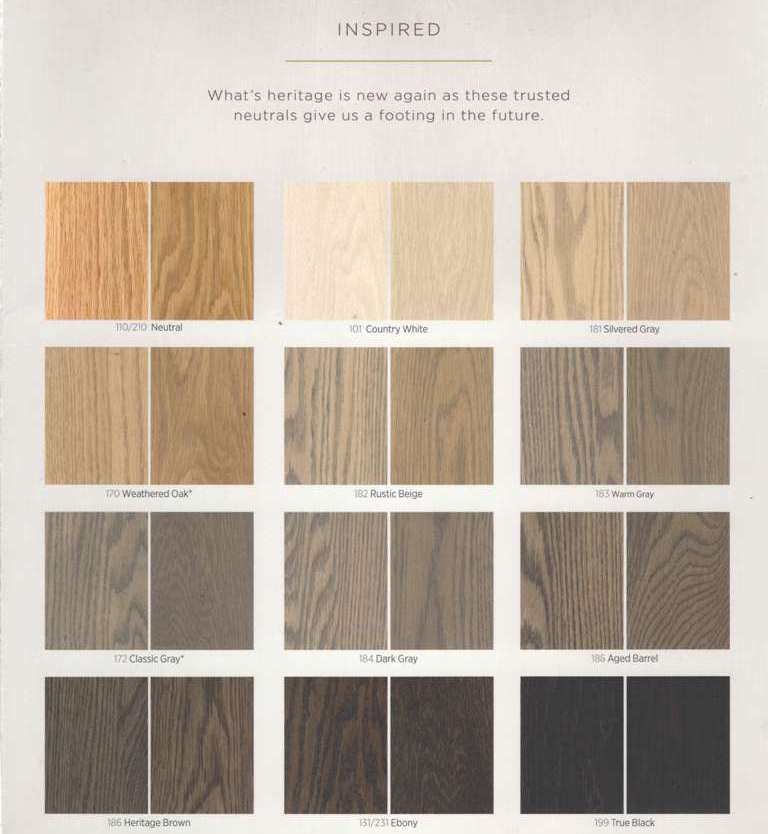
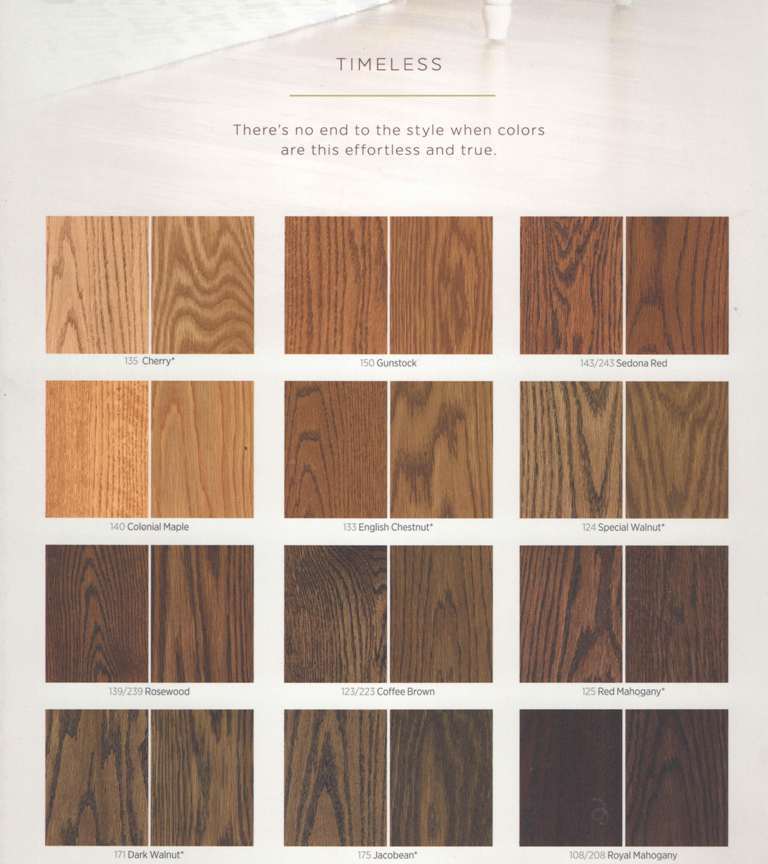
Choosing a stain color is one of the most enjoyable parts of refinishing a hardwood floor, but a stain chart should be treated as a starting point rather than a guarantee of the final color.
Several things affect how a stain ultimately looks:
- Hardwood species
- Natural variation between boards
- Age and condition of the floor
- Lighting inside the home
- Surrounding cabinets, walls and furnishings
- The preparation of the hardwood itself
Computer screens and phones introduce another variable because they don't always reproduce colors accurately.
For these reasons, we recommend evaluating stain samples in the home whenever practical. Seeing a color with the actual hardwood and under the home's lighting provides much more useful information than selecting a color exclusively from a photograph or computer screen.
Find out more about our 2 Year Warranty
Staining Hardwood Floors Darker
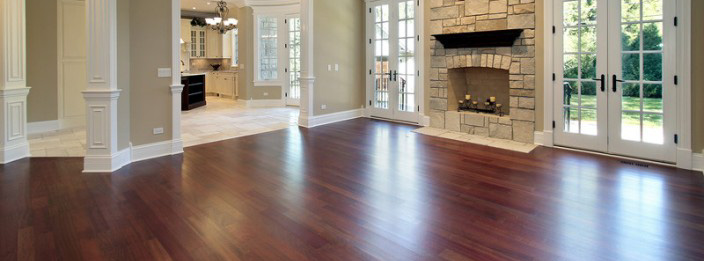
Dark stain can dramatically change the appearance of an existing hardwood floor and is particularly effective when a homeowner wants to move away from a traditional natural or golden appearance.
Darker colors can also sometimes help make existing discoloration or pet staining less noticeable.
That doesn't mean dark stain will hide every damaged area. Severe pet stains or other damage may require individual boards to be replaced. We evaluate the floor first and discuss the realistic options rather than assuming stain will conceal the problem.
We've successfully restored floors with substantial discoloration where a darker stain provided an attractive alternative to extensive board replacement.
Staining Hardwood Floors Lighter
Hardwood doesn't have to become darker when it's stained.
Lighter colors, including grey and white tones, can dramatically change traditional hardwood and produce a much more contemporary appearance.
We've refinished naturally golden-toned red oak floors with colors such as Country White, creating an entirely different appearance while retaining the original hardwood.
How light a particular floor can realistically become depends on the species, existing condition and the appearance the homeowner is trying to achieve.
Why Professional Hardwood Floor Staining Requires Experience
From the outside, staining a hardwood floor can look deceptively simple. The stain itself is only one part of the job.
Before color ever touches the floor, a tremendous amount of work has already gone into creating the surface that will receive it.
The sanding has to be correct. The wood species has to be understood. Natural color variation has to be anticipated. The selected stain has to be appropriate for the floor, and the homeowner needs realistic expectations about what that particular hardwood can produce.
The consequences of getting it wrong can be significant. If the sanding or staining fails, there may be no shortcut to correcting the problem. The floor may have to be sanded again and the process started over.
When the work is done correctly, the finished floor can look effortless.
Getting it to look that way is where the experience comes in.
Professional Water-Based Hardwood Floor Finish
After staining, the hardwood must be protected.
National Floors uses professional water-based finish systems designed to provide durable protection while maintaining the appearance of the newly stained hardwood.
The professional-grade products we use are not available for purchase by the general public and require professional licensing to obtain.
Water-based finish systems also offer considerably faster drying times than many traditional solvent-based finishes. Floors can typically be walked on within 24 hours, and furniture can generally be carefully replaced within 48 hours. Furniture should always be placed rather than dragged across a newly finished floor.
Explore Hardwood Floor Stain Colors
If you're thinking about changing the color of your hardwood floors, the first step is determining what type of hardwood you have and what that wood can realistically do.
National Floors provides professional hardwood floor sanding, staining and refinishing throughout the San Francisco Bay Area.
If you're unsure what type of hardwood you have, text a photo of your floor to 1(408) 309-1880 and we'll help you determine what options may be available.
Once you've narrowed down the general direction you want to go, the next step is exploring the available colors. Remember that a stain guide is a starting point: the same stain can look different depending on the hardwood species, natural variation in the boards and lighting inside your home. Final color decisions are best made with those factors in mind.
Browse our hardwood floor stain color guide below to compare natural, light, medium and dark stain options and get an idea of the colors you may want to consider for your floor.