
Professional hardwood floor refinishing can restore the appearance of an existing floor without the cost and disruption of replacing it. The process removes the worn surface, corrects many visible imperfections, and applies a new protective finish.
What Is Hardwood Floor Refinishing?
Hardwood floor refinishing usually involves sanding the existing floor to remove the old finish and expose clean wood beneath it. The floor is then prepared for either a natural finish or a new stain color. Several protective finish coats are applied to help protect the wood from moisture, traffic, and everyday wear.
Depending on the condition of the flooring, refinishing may improve or remove:
- Surface scratches
- Worn traffic patterns
- Dull or cloudy finish
- Minor discoloration
- Light stains
- Uneven color
- Small surface imperfections
- Previous stain colors
Refinishing does not simply cover the existing damage. It removes the worn surface and creates a fresh foundation for the new stain and finish.
How Do You Know When a Floor Needs Refinishing?
A floor does not need to be refinished simply because it has a few scratches. Minor wear may sometimes be addressed with cleaning, maintenance, or recoating. Full sanding and refinishing are generally considered when the protective finish has worn through or when the homeowner wants to correct more extensive appearance problems.
Common signs include:
- Bare wood showing in high-traffic areas. Usually the color gray.
- Deep scratches that pass through the finish
- Widespread dullness that cleaning does not correct
- Water marks or discoloration
- Uneven stain color
- Finish that is peeling, flaking, or heavily worn
- A desire to change the overall floor color
A professional inspection can help determine whether the floor needs complete refinishing, a less extensive recoating service, or localized repairs.
Can Every Hardwood Floor Be Refinished?
Most solid hardwood floors can be refinished multiple times, provided enough wood remains above the tongue-and-groove system.
Some engineered hardwood floors can also be refinished, but the answer depends on the thickness of the real-wood wear layer. If that layer is too thin, aggressive sanding could permanently damage the flooring.
The condition of the floor must also be considered. Severely damaged boards, loose flooring, extensive water damage, or structural movement may require repairs before refinishing begins.
What Happens During the Refinishing Process?
Although every project is different, professional hardwood floor refinishing generally follows several steps.
Inspection and preparation
The flooring is examined for damaged boards, loose areas, stains, protruding fasteners, previous repairs, and moisture-related problems. Necessary repairs should be identified before sanding begins.
Furniture and personal belongings must be removed from the work area. Adjacent rooms, cabinets, vents, and other surfaces may also require protection.
Sanding
Professional sanding equipment removes the existing finish and a very thin layer of wood. The sanding process is completed in stages using progressively finer abrasives to create a smooth and even surface.
Edges, corners, closets, and other areas that large machines cannot reach are handled with specialized equipment.
Repairs and final preparation
Minor gaps, nail holes, or surface imperfections may be addressed after the initial sanding. The floor is then carefully prepared for staining or finishing.
Staining, if selected
Homeowners may choose to preserve the natural appearance of the wood or apply a stain to change its color. Stain samples should be viewed on the actual flooring because wood species, age, grain, lighting, and previous treatments can influence the final result.
Applying the finish
Protective finish coats are applied after the floor has been properly prepared. Drying time is required between coats, and the floor needs additional time before it can withstand normal use.
How Long Does Hardwood Floor Refinishing Take?
Many residential projects require several days, but there is no single timeline that applies to every floor.
The schedule may be affected by:
- Total square footage
- Number of rooms
- Amount of repair work
- Existing floor condition
- Stain selection
- Type of finish
- Required number of finish coats
- Temperature and humidity
- Drying and curing requirements
The floor may feel dry before the finish has fully cured. Homeowners should follow the contractor’s instructions concerning foot traffic, furniture, rugs, pets, and cleaning.
H2: Is Hardwood Floor Refinishing Dust-Free?
No sanding process is completely dust-free. However, professional dust-containment equipment can capture a substantial amount of airborne sanding dust and help keep the work environment considerably cleaner than older sanding methods.
Dust containment does not eliminate the need for proper preparation and cleanup, but it can greatly reduce the amount of dust that spreads through the home.
Can You Remain in the Home During the Work?
That depends on the size and layout of the project, the finish products selected, and whether essential areas of the home remain accessible.
During the work, homeowners may temporarily lose access to kitchens, hallways, stairs, bedrooms, or entrances. Odor sensitivity, pets, children, and finish-curing requirements should also be considered when planning where to stay.
These details should be discussed before the project begins so that the work can be scheduled with as little disruption as reasonably possible.
Choosing a Hardwood Floor Refinishing Contractor
The quality of the final result depends heavily on preparation, sanding technique, repair ability, stain application, and finish application. Uneven sanding, missed damage, poor stain preparation, and improper finish application can be difficult and expensive to correct.
Before hiring a contractor, homeowners should ask about:
- Licensing and insurance
- Experience with hardwood floor refinishing
- Dust-containment procedures
- Repair capabilities
- Stain and finish options
- Project scheduling
- Drying and curing instructions
- Cleanup and final inspection
The contractor should also inspect the floor before making promises about the final appearance. Existing stains, previous repairs, damaged boards, and variations in the wood may influence what refinishing can accomplish.
Restore the Beauty of Your Existing Hardwood Floors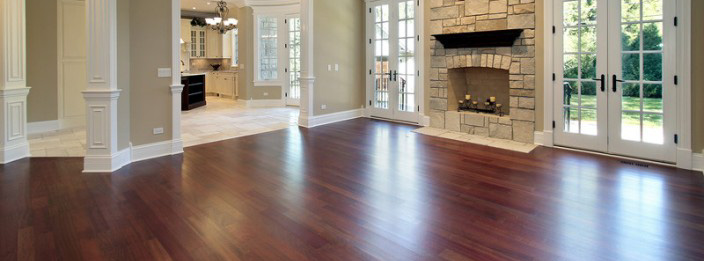
Hardwood floor refinishing can restore worn flooring, improve the appearance of a home, and extend the useful life of the existing wood. The correct approach depends on the floor’s construction, condition, previous treatments, and the homeowner’s goals.
National Floors provides professional hardwood floor refinishing, staining, and repair services throughout the Bay Area. Each floor is evaluated individually so that homeowners receive recommendations based on the actual condition of their flooring rather than a one-size-fits-all solution.
Contact National Floors to arrange an evaluation of your hardwood floors and discuss the refinishing options available for your home.
